
The Remodeling Process Doesn't Have to Be a Mystery
If you've never renovated a kitchen, bathroom, or any major space in your home, the whole process can feel like a black box. You know you want a better space, but what actually happens between signing a contract and admiring your new countertops? How messy does it get? When do you make decisions? Will you be able to use your kitchen at all?
These are the questions West Palm Beach homeowners ask us all the time — and they're completely valid. A remodel is one of the biggest investments you'll make in your home, and understanding each phase takes most of the anxiety out of it.
Here's an honest, step-by-step look at what to expect when you remodel with a professional contractor.
Step 1: The Initial Consultation
Everything starts with a conversation. A reputable contractor will visit your home, look at the space, listen to what you want, and talk through your budget. This isn't a sales pitch — it's a fact-finding mission for both sides.
During this visit, expect questions like:
- What do you love and hate about the current space?
- How do you use this room day to day?
- Do you have a target budget range?
- Are there specific materials or styles you're drawn to?
At Phoenix Home Renovation, we use this first meeting to understand not just what you want the room to look like, but how you want it to function. A family of five in Wellington has very different kitchen needs than a retired couple in Palm Springs.
Step 2: Design and Planning
Once you've agreed to move forward, the design phase begins. This is where your ideas start becoming a real plan. You'll review layout options, select materials like cabinetry, countertops, flooring, and fixtures, and approve a detailed scope of work.
This phase takes longer than most people expect — and that's a good thing. Rushing through material selections or skipping over layout details is where costly mistakes happen. A good contractor will guide you through choices without pressuring you, helping you balance aesthetics, durability, and budget.
Pro tip: Visit showrooms in the West Palm Beach area early. Seeing and touching materials in person is completely different from scrolling through photos online.
Step 3: Permits and Prep Work
Depending on the scope of your project, your contractor may need to pull permits from the city or county. This is especially common for kitchen and bathroom remodels that involve plumbing, electrical, or structural changes. In Palm Beach County, permit timelines can vary, so your contractor should factor this into the overall schedule.
While permits are being processed, your contractor will order materials, coordinate subcontractors, and finalize the project timeline. You'll also want to prepare your home — clearing out the workspace, setting up a temporary kitchen if needed, and making a plan for daily life during construction.
Step 4: Demolition Day
This is the part that feels both exciting and terrifying. Demolition is loud, dusty, and dramatic. Old cabinets come out, flooring gets ripped up, and your space will look significantly worse before it looks better.
A professional crew will protect the rest of your home with plastic sheeting and dust barriers. They'll also handle debris removal so you're not stuck hauling old tile to the curb yourself.
What to expect: Demolition for a typical bathroom takes one to two days. A full kitchen demo might take two to three days depending on the size and complexity.
Step 5: Rough-In Work
After demolition, the behind-the-scenes work begins. This includes:
- Plumbing: Moving or adding water lines, drains, and supply connections
- Electrical: Updating wiring, adding outlets, or installing new lighting circuits
- Framing: Any structural changes to walls, doorways, or soffits
This phase isn't glamorous, but it's critical. It's also when inspections typically happen. Your contractor should coordinate these inspections so there are no delays moving to the next stage.
Step 6: Installation Begins
Now the transformation becomes visible. This is when your new space starts to take shape, and it typically follows this order:
- Drywall and patching — Walls are repaired, replaced, or finished smooth
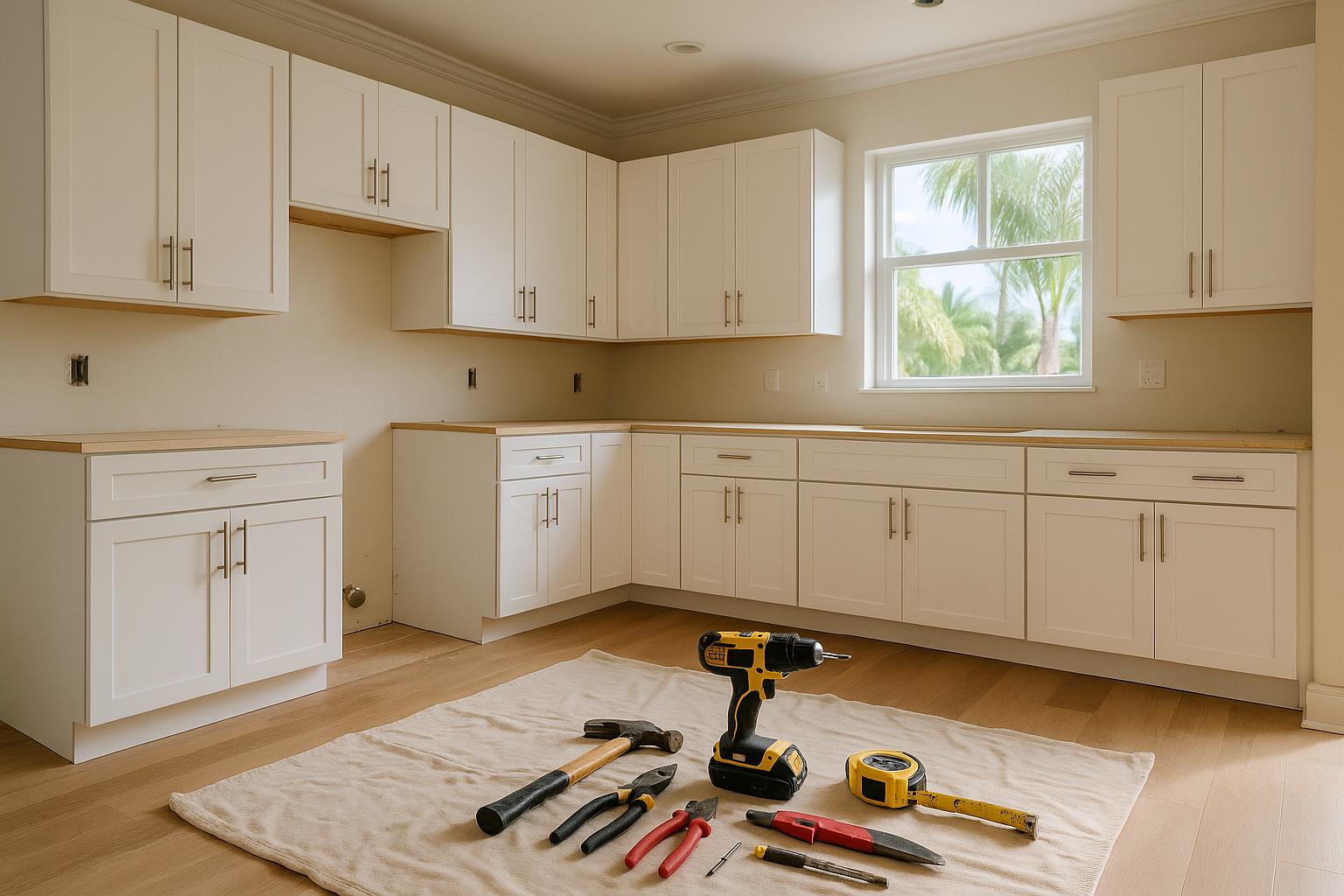
- Cabinetry — Custom or semi-custom cabinets are installed and leveled
- Countertops — Fabricated and installed once cabinets are set
- Flooring — Tile, luxury vinyl, hardwood, or whatever material you've selected
- Fixtures and hardware — Faucets, sinks, lighting, cabinet pulls, and accessories
- Painting and finishing — Walls, trim, and any final cosmetic touches
Each trade follows the one before it, so staying on schedule matters. Delays in material delivery — which can happen with specialty items — are the most common cause of timeline shifts. Your contractor should communicate proactively if anything changes.
Step 7: The Final Walkthrough
Before the project is officially complete, you'll do a walkthrough with your contractor. This is your chance to inspect every detail — open every cabinet door, test every faucet, check every grout line, and make sure the paint is clean and even.
Bring a notebook or use your phone to flag anything that needs attention. A reputable contractor welcomes this step and will address punch-list items promptly. At Phoenix Home Renovation, we don't consider a project finished until you're genuinely happy with the result.
What About Living in Your Home During a Remodel?
Most homeowners in West Palm Beach stay in their homes during a kitchen or bathroom renovation, and it's completely doable with a little planning. Here are a few tips:
- Kitchen remodel: Set up a temporary cooking station with a microwave, toaster oven, and coffee maker in another room. Stock up on paper plates.
- Bathroom remodel: If you only have one bathroom, discuss timing with your contractor so you have access to a working toilet and shower as much as possible.
- Dust and noise: Expect both, especially during demolition and tile work. Plan to be out of the house during the loudest phases if noise bothers you.
The Bottom Line
A home remodel is a process, not an event. It takes time, coordination, and trust between you and your contractor. But when you understand what's coming at each stage, the whole experience becomes far less stressful — and a lot more exciting.
If you're thinking about remodeling a kitchen, bathroom, or any living space in West Palm Beach or the surrounding communities, we'd love to walk you through what your specific project would look like. Reach out to Phoenix Home Renovation for a free consultation, and let's turn that vision into a plan.